





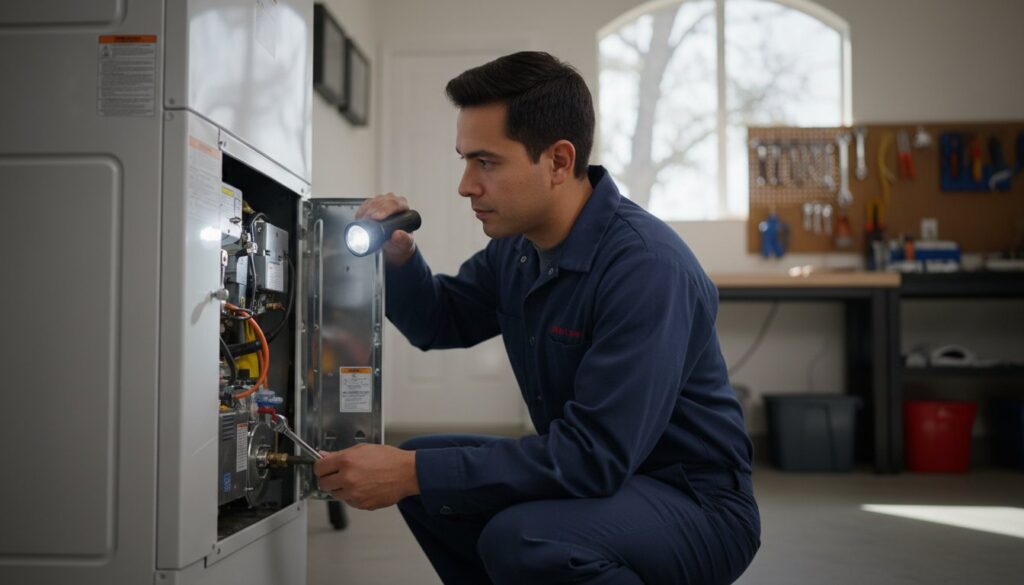
Imagine waking up on a 38-degree morning in Sacramento this past January and realizing your home feels more like a refrigerator than a sanctuary. You head to the furnace and see that the tiny blue flame is gone. Your first thought likely isn’t about the cold; it’s about whether your family is safe. You might find yourself wondering, is it dangerous if the pilot light goes out, or are you overreacting to a simple mechanical hiccup?
We understand that any issue involving gas lines and fire can feel incredibly stressful. It’s completely normal to feel a sense of urgency when your home’s comfort and safety are on the line. At Christensen Air, we’ve spent over 20 years helping our neighbors navigate these exact moments with confidence. We’ll show you how your furnace’s built-in safety features protect you from gas leaks and help you identify the three specific signs that require an emergency technician. You’ll walk away with a clear action plan to restore your peace of mind and keep your household warm.
Key Takeaways
- Learn exactly when it is dangerous if the pilot light goes out and how your system’s built-in safety mechanisms work to protect your Sacramento home.
- Discover the science behind the thermocouple, the small but mighty sensor that prevents raw gas from entering your living space.
- Identify how local environmental factors, such as the Delta Breeze, might be the hidden cause behind your furnace’s pilot light failure.
- Master a quick “Smell Test” and an immediate action plan to ensure your household remains safe while troubleshooting a dead flame.
- Find out how professional maintenance can eliminate the stress of emergency repairs and keep your heating system reliable all winter long.
Understanding the Risks: Is a Dead Pilot Light Actually Dangerous?
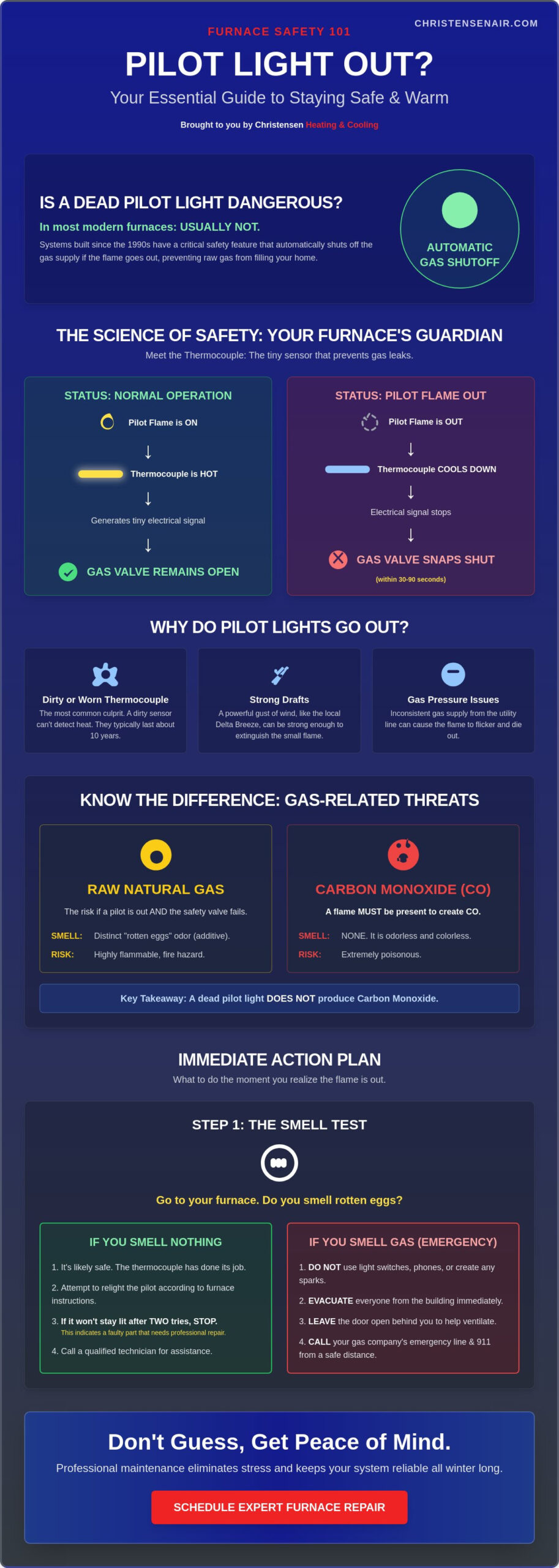
Walking into a cold house in Sacramento during a December chill is stressful. Many homeowners immediately worry about their safety when they realize the furnace isn’t kicking on. We want to put your mind at ease right away. In most modern systems, a pilot light going out isn’t an immediate life-threatening emergency. Since the early 1990s, furnace manufacturers have integrated safety valves that automatically shut off the gas flow if the flame disappears.
Understanding How a pilot light works helps demystify the process. A small sensor called a thermocouple detects the heat from the flame. If that heat is gone, the sensor tells the gas valve to close. This prevents the “raw gas” from filling your home. However, it’s still vital to understand the nuances of gas safety to protect your family and your peace of mind. So, is it dangerous if the pilot light goes out? Usually, it’s a minor inconvenience, but ignoring the root cause can lead to larger issues.
To better understand this concept, watch this helpful video:
The Difference Between Raw Gas and Carbon Monoxide
Many Roseville residents confuse these two threats. A pilot light that has gone out doesn’t produce carbon monoxide. CO is a byproduct of incomplete combustion, which requires a flame to be present. The primary concern with a dead pilot light is the potential for raw natural gas to leak if the safety valve fails. To make leaks detectable, utility companies add mercaptan, a chemical that smells like rotten eggs. This scent is your most powerful tool for identifying a problem before it becomes a fire hazard.
When “Not Dangerous” Becomes a Hazard
While the initial outage is usually safe, certain situations increase the risk. If your furnace is located in a tight closet or a poorly ventilated basement, even a tiny amount of gas can pool over time. This creates a pocket of flammable air. We also see homeowners try to relight the pilot light ten times in a row without letting the area vent. This is a mistake. If the light won’t stay lit after two tries, stop. Persistent relighting attempts can lead to a dangerous gas buildup that could ignite once you finally get a spark. If you find yourself asking is it dangerous if the pilot light goes out repeatedly, the answer is yes, because a recurring issue suggests a failing safety component that needs professional attention.
The Science of Safety: How Your Furnace Prevents Gas Leaks
We want you to feel completely secure in your Sacramento home. To provide that peace of mind, your furnace relies on a specialized safety valve. This component acts as the primary gatekeeper for your gas supply. It ensures that raw gas doesn’t pour into your living space if the flame isn’t there to burn it off. When homeowners ask us, is it dangerous if the pilot light goes out, our answer usually starts with a detailed look at this mechanical guardian. Your system is designed to be proactive, not reactive, when it comes to gas flow.
The Thermocouple: Your Furnace’s Hero
The thermocouple is a small, copper-clad rod that sits directly in the path of the pilot flame. A thermocouple is a thermoelectric device that shuts off gas when no flame is detected. It generates a tiny electrical charge, measured in millivolts, as long as it stays hot. This charge creates a magnetic field that holds the gas valve open. If the flame disappears, the metal cools in roughly 30 to 90 seconds. The electrical signal dies, and a spring-loaded valve snaps shut instantly. We frequently perform Rocklin repairs where a dirty or worn thermocouple has reached the end of its 10 year lifespan, causing the furnace to shut down as a safety precaution.
Fail-Safe Mechanisms in Older vs. Newer Systems
Safety technology has evolved significantly since the early 1980s. Many older Auburn homes still use standing pilots that burn a small amount of gas 24 hours a day. While reliable, these older units require more homeowner vigilance. The U.S. Consumer Product Safety Commission highlighted the dangers of a malfunctioning pilot light in its historical safety bulletins, emphasizing that mechanical failures in aging parts can lead to carbon monoxide risks. Because of this, we always check the integrity of these older valves during our routine maintenance visits.
Modern Sacramento homes typically feature electronic ignition systems rather than a flame that stays lit all winter. These use Hot Surface Igniters (HSI) or intermittent pilot systems. An HSI uses a silicon carbide element that glows like a lightbulb filament to light the burners only when your thermostat calls for heat. These systems remove the need for a standing flame entirely. This change has reduced residential gas waste by nearly 20 percent in newer models. If you’re worried about your system, it’s helpful to remember that modern tech is designed to fail “closed,” meaning the gas stays off if any sensor detects a problem. We treat every client’s home as if it were our own, so we can help you identify your furnace type and ensure its safety sensors are working perfectly. While you might wonder, is it dangerous if the pilot light goes out, these built-in layers of protection are there to keep your family safe.
Common Causes: Why Pilot Lights Fail in the Sacramento Valley
We often hear from neighbors asking, “is it dangerous if the pilot light goes out?” While the safety sensors in modern furnaces are designed to shut off gas flow, the reason your flame vanished in the first place is what really matters for your home’s long-term health. In our region, several unique factors contribute to pilot light failure, ranging from our local weather patterns to the specific type of fuel your neighborhood uses.
Mechanical wear is a frequent culprit we see during our service calls. Over time, the pilot orifice, which is a tiny opening where the gas exits, can become clogged. Even a microscopic bit of carbon buildup or a stray piece of debris can disrupt the flow. If your system is over 15 years old, these components often struggle to maintain the consistent flame needed to keep the thermocouple warm. When a pilot light becomes a weekly headache, it is usually a sign that your equipment is reaching the end of its lifespan. In these cases, we help families evaluate the new hvac system cost Granite Bay homeowners should plan for to ensure their family stays warm without the constant worry of a failing furnace.
Local Environmental Triggers
Our local geography plays a massive role in how your furnace breathes. The famous “Delta Breeze” provides relief on hot nights, but high winds in Shingle Springs or Placerville can create backdrafts. These gusts, sometimes exceeding 35 mph, can travel down the flue and blow out the pilot flame. Additionally, the Sacramento Valley’s long, dry summers lead to significant dust accumulation. In Folsom homes, poor attic ventilation can trap this dust, which then settles into the burner assembly. When you turn the heater on for the first time in November, that accumulated silt often clogs the pilot orifice instantly.
Propane vs. Natural Gas Considerations
For our clients in rural El Dorado County, the type of fuel you use changes the safety profile of a pilot failure. Natural gas is lighter than air and tends to dissipate upward if it leaks. However, many rural properties rely on propane, which is 1.5 times heavier than air. If you are wondering, “is it dangerous if the pilot light goes out” on a propane system, the answer involves extra caution. Because propane is heavy, it can pool on the floor or in crawlspaces rather than venting away. We always recommend regular tank and line checks for our propane-using neighbors to ensure the fuel pressure remains steady enough to keep that pilot burning bright all winter long.
- Thermocouple Failure: This copper rod is a safety device that shuts off gas if it doesn’t feel heat. If it’s bent or dirty, it will kill the pilot.
- Cracked Heat Exchanger: Air moving through a crack can physically blow the pilot out, which is a serious safety concern we prioritize.
- Low Gas Pressure: During peak cold snaps, a drop in line pressure can cause the flame to dwindle and disappear.
Immediate Action Plan: What to Do When the Flame Dies
When you realize your furnace isn’t kicking on, your first instinct might be to grab a lighter, but safety must come first. Many Sacramento neighbors ask us, is it dangerous if the pilot light goes out? While modern systems have safety shut-offs, the way you handle the situation determines your family’s safety. We recommend this four step approach before you touch any controls.
Step 1 is the “Smell Test.” This is your primary defense. Natural gas companies add mercaptan to the fuel, which gives it a distinct rotten egg odor. If you detect this scent, don’t touch any switches or lighters. Exit the home immediately and call for help from a safe distance. If there is no smell, proceed to Step 2 and check your thermostat. Sometimes a tripped breaker or a dead thermostat battery is the real culprit, and the pilot light is actually fine.
Step 3 involves locating the gas valve on the furnace. You will see “On,” “Off,” and “Pilot” settings. Understanding these positions is essential for a safe reset. Finally, Step 4 is the decision point. You must decide if you feel comfortable attempting a relight. If the area smells like gas or if the equipment looks corroded, walk away and call a professional. Understanding is it dangerous if the pilot light goes out starts with knowing that the real risk comes from unburned gas pooling in the combustion chamber if the safety valve fails.
The Safe Way to Relight a Pilot
We always advise homeowners to look for the manufacturer instructions printed directly on the furnace jacket. Every model has its own specific requirements. One rule that remains non-negotiable is the “wait five minutes” rule. You must wait at least 300 seconds after turning the gas to the “Off” position before attempting to relight. This allows any residual gas to dissipate, preventing a flash fire. When you are ready, use a long-reach butane lighter rather than a short match to keep your hands away from the burner assembly.
Red Flags: When to Stop and Call Christensen Air
Safety is our top priority for your family. If you smell gas even after the pilot has been out for several hours, you likely have a leak in the supply line. Another major red flag is a yellow or flickering flame once it is lit. A healthy pilot should be a crisp, steady blue. A yellow flame suggests incomplete combustion, which can lead to carbon monoxide buildup. If you find yourself in a “keeps going out” cycle, your thermocouple or gas valve may be failing. You can learn more about these mechanical failures in our pilot light keeps going out guide.
If you aren’t comfortable handling the gas valve yourself, our family at Christensen Air is here to help. Schedule a safety inspection with our expert team today to ensure your home stays warm and secure.
Professional Solutions for Reliable Heating in Roseville & Beyond
While we have explored the technical answer to the question, is it dangerous if the pilot light goes out, our main goal is to ensure you never have to worry about it in the first place. A pilot light that frequently fails is often a symptom of a system struggling under the weight of age or neglect. We focus on proactive solutions that eliminate the stress of emergency repairs during a Sacramento cold snap.
The Value of a Professional Tune-Up
A professional furnace inspection goes much deeper than simply relighting a flame. Our technicians prioritize the pilot assembly and the thermocouple. This small sensor acts as the primary safety guard for your home. Over time, carbon soot builds up on the thermocouple, which causes about 85% of avoidable pilot outages. We clean these components to ensure 100% reliability when the temperature drops below 40 degrees.
Safety is our biggest priority. During a tune-up, we meticulously check the heat exchanger for any cracks. Even a hairline fracture in this metal component can allow combustion gases to enter your living space. For more information on keeping your system running safely, you can read our gas furnace myth-busting guide for additional homeowner tips.
Peace of Mind with Christensen Heating and Cooling
We treat every home in Placer County as if it belonged to our own family. This neighborly care is the foundation of the Christensen Comfort Club. Our members receive two precision tune-ups annually, which helps us catch small issues before they turn into midnight emergencies. We’ve found that regular maintenance can extend the life of a furnace by up to 5 years compared to neglected units.
There are times when a repair is no longer the safest or most cost-effective path. If your furnace is over 15 years old and the pilot light keeps failing, it’s often a sign that the internal components are reaching the end of their functional life. In these cases, moving toward a high-efficiency replacement provides better safety features and lowers your monthly energy bills. Modern systems use electronic ignition, which removes the need for a standing pilot light altogether, further reducing the concern of is it dangerous if the pilot light goes out.
We take personal pride in being a local, family-owned business. Our team is here to protect your sanctuary and keep your household warm. Don’t wait for the next winter storm to test your heater’s reliability. Reach out to us today to schedule a comprehensive safety inspection and experience the dependable service your Sacramento home deserves.
Secure Your Home’s Warmth and Safety
While modern safety valves are designed to shut off gas flow when a flame disappears, a flickering or dead pilot light remains a symptom of underlying mechanical issues. We’ve served as a family-owned and operated resource since 2009, helping neighbors navigate these technical hurdles with clear, honest guidance. When asking is it dangerous if the pilot light goes out, remember that while immediate gas leaks are rare in newer models due to thermocouple sensors, a malfunctioning unit can still lead to carbon monoxide risks or total system failure during a Sacramento cold snap. Our technicians provide expert furnace repair across Sacramento and Placer Counties to keep your equipment running efficiently. You don’t have to face the winter wondering if your heater will hold up. For those seeking total peace of mind, our Comfort Club offers priority service that takes the guesswork out of seasonal maintenance. We’re here to protect your sanctuary and ensure your household stays cozy throughout the year.
We’re ready to help you enjoy a worry-free winter.
Frequently Asked Questions
Is it okay to leave the pilot light out for a few days?
Many homeowners ask is it dangerous if the pilot light goes out for a few days, and the answer is that while safety valves prevent gas leaks, your home remains unprotected from the cold. Modern furnaces manufactured after 1990 use thermocouples that stop gas flow within 30 seconds of a flame failing. We don’t recommend leaving it out during winter because Sacramento temperatures below 32 degrees can lead to burst pipes without a working heat source.
Can a pilot light going out cause a carbon monoxide leak?
No, a pilot light that is completely extinguished cannot produce carbon monoxide because no combustion is taking place. Carbon monoxide is a byproduct of incomplete combustion, which typically happens when a flame burns yellow instead of blue. According to the CDC, over 400 Americans die annually from unintentional CO poisoning, but these incidents usually stem from cracked heat exchangers or blocked vents rather than a simple extinguished pilot.
Why do I smell gas near my furnace if the pilot light is out?
You likely smell gas because the safety valve hasn’t fully closed or a small amount of residual gas is lingering in the combustion chamber. Even though safety sensors shut off the main supply, a faint “rotten egg” odor can persist. If the smell is strong or lasts for more than 10 minutes, you must exit your home and call 911 or PG&E immediately to check for leaks and ensure your family’s safety.
How much gas does a pilot light actually use?
A standing pilot light typically consumes between 5 and 12 therms of natural gas every month. While this represents only about 1% to 2% of a total household gas bill, it adds up over a full year of operation. Many Sacramento homeowners choose to transition to electronic ignition systems. These modern upgrades eliminate constant fuel consumption and can save up to $50 annually on utility costs depending on current gas rates.
Can wind blow out a furnace pilot light in Sacramento?
Yes, strong wind gusts can travel down your flue pipe and extinguish the flame during Sacramento’s winter storms. Wind speeds exceeding 30 miles per hour are often enough to create a backdraft in older venting systems. If your pilot goes out during a storm, it’s usually a draft issue rather than a mechanical failure. We can install a specialized vent cap to prevent this from recurring and keep your home comfortable.
What color should my furnace pilot light be for safety?
Your pilot light must be a crisp, steady blue color to indicate a safe and efficient burn. A blue flame shows the gas is receiving the correct 10 to 1 ratio of air for complete combustion. If you see a yellow or orange flame, it indicates a lack of oxygen or a dirty burner. This is a situation where is it dangerous if the pilot light goes out becomes a secondary concern to the carbon monoxide risk.
Is it dangerous if I can’t get my pilot light to stay lit?
It isn’t inherently dangerous if the pilot won’t stay lit, but it indicates a failing safety component like the thermocouple. This sensor is designed to shut off gas if it doesn’t detect heat. If you’ve tried the relighting process 3 times without success, stop and call a professional. Forcing the gas valve open manually can lead to gas accumulation, which creates a significant fire hazard in your utility closet or basement.
Should I turn off my gas if the pilot light goes out?
You should turn the gas valve to the “Off” position if you cannot relight the pilot or if you smell gas. This prevents any minor seepage while you wait for a technician to arrive. Most gas valves require a simple 90 degree turn to the right to stop the flow. Taking this step ensures your family stays safe while our team works to restore your home’s warmth and your peace of mind.