





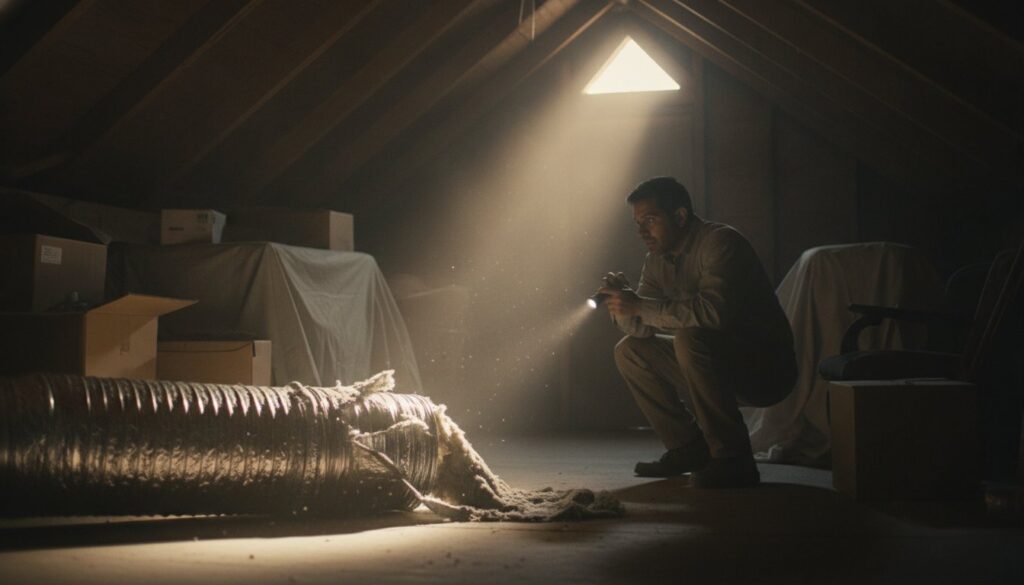
Did you know that up to 40% of the air you pay to cool during a blistering Sacramento summer might never actually reach your living room? It is a common frustration for many families in our Northern California community who see their utility bills climb while certain bedrooms remain stubbornly warm. If you find yourself constantly dusting or noticing uneven temperatures across different rooms, it is likely that your home’s circulatory system is struggling. Recognizing the signs of bad ductwork in house is the first step toward protecting your family’s comfort and your monthly budget.
We believe your home should be a reliable sanctuary, providing clean air and consistent cooling regardless of the triple-digit heat outside. In this guide, we will show you how to spot the hidden symptoms of failing air ducts and explain how restoring your system’s integrity can significantly lower your energy costs. From managing indoor dust during fire season to ensuring every corner of your house stays perfectly chilled, we are here to help you achieve the efficient, healthy environment your family deserves.
Key Takeaways
- Learn to identify the five most common signs of bad ductwork in house, from skyrocketing utility bills to uneven room temperatures that disrupt your family’s comfort.
- Discover how leaking ducts force your air conditioner to work harder, leading to unnecessary mechanical strain and a shorter lifespan for your entire HVAC system.
- Find out how to perform a simple visual inspection of your attic and registers to spot gaps, fallen sections, or soot buildup that compromises your indoor air quality.
- Understand the difference between minor sealing repairs and the long-term benefits of a full duct system replacement using modern, R-8 insulated materials.
- See how proactive maintenance and high-efficiency solutions can protect your home from the harsh Sacramento Valley heat while keeping your monthly energy costs under control.
5 Common Signs of Bad Ductwork in Your House
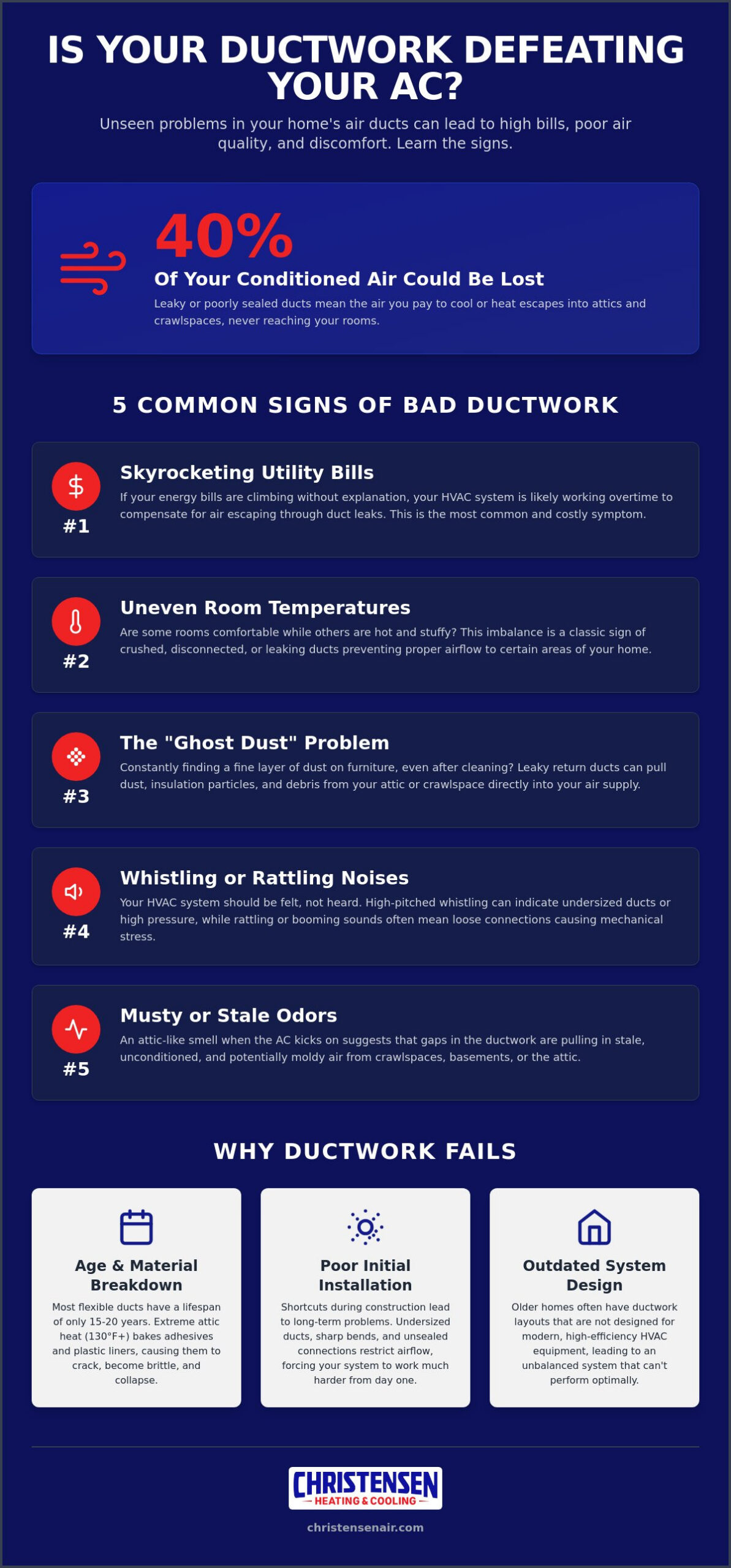
When the Sacramento Valley heat hits triple digits, your air conditioner becomes the most important appliance in your home. If you notice your utility bills are skyrocketing despite keeping the thermostat at a reasonable level, your ducts might be to blame. Research shows that up to 40% of a home’s conditioned air can escape through leaky or poorly sealed ventilation. To understand the basics of these systems, you can explore What is Ductwork? to see how these conduits manage airflow. Identifying the signs of bad ductwork in house early can save you from a complete system breakdown during the peak of summer.
To help you visualize these issues, watch this short video on common indicators that your ventilation needs professional attention:
Have you ever walked from a perfectly chilled living room into a bedroom that feels like a sauna? This temperature imbalance is a classic symptom of restricted airflow or disconnected sections in your attic. You might also notice a musty, attic-like odor when the air kicks on. This often means your ducts have developed gaps that pull in stale, unconditioned air from the crawlspace. These issues don’t just affect your comfort; they force your equipment to run longer cycles, leading to higher costs and more frequent repairs.
The “Ghost” Dust Problem
Many families in Roseville struggle with a layer of fine, grey dust that appears on furniture just hours after cleaning. We often call this “ghost dust.” It usually happens when leaky return ducts create a vacuum, pulling in fiberglass insulation particles and attic debris directly into the air stream. Standard air filters cannot stop this because the dust enters the system after the filtration point. For families dealing with seasonal allergies or poor air quality during fire season, this can become a significant health concern for the household.
Noises You Should Never Ignore
Your HVAC system should be felt, not heard. If you hear a high-pitched whistling, it often indicates your ducts are undersized or there is high static pressure. Rattling or booming sounds usually mean connections have come loose or the metal is expanding and contracting too quickly. These vibrations don’t just make noise; they cause significant mechanical stress. Over time, this strain can lead to an unexpected need for AC repair in Roseville as the blower motor works overtime to overcome the resistance in the system.
Why Ductwork Fails: Understanding the Causes
We see many Roseville homes where the AC unit is brand new, yet the air isn’t moving correctly. It is often because the ducts have reached their limit. In the Sacramento Valley, our attics regularly exceed 130 degrees during the summer months. This extreme heat bakes the adhesives and plastic liners in flexible ductwork, causing them to crack or collapse over time. Most flex ducts are only designed to last 15 to 20 years. If your home was built in the early 2000s, you are likely seeing the first signs of bad ductwork in house as these materials finally fatigue.
It isn’t always just age that causes a system to fail. Sometimes the problem started the day the house was built. During the construction boom in areas like Roseville and Rocklin, some installers took shortcuts to stay on schedule. They might have used undersized trunks to save space or left ducts with sharp bends that restrict airflow. These “kinked” sections act exactly like a kinked garden hose. They force your blower motor to work twice as hard to push air through a restricted space, which inevitably leads to higher utility bills and premature equipment failure.
Poor Installation vs. Natural Aging
Many signs of bad ductwork in house stem from a lack of proper sizing. If your ducts aren’t matched to your home’s square footage, your system will struggle to maintain balance. We often find outdated layouts in older homes in Placerville or Auburn that weren’t designed for modern, high-efficiency equipment. If you are concerned about your system’s performance, our Duct System Replacement specialists can evaluate if your current layout is working against your comfort.
The Impact of Attic Pests
Our local wildlife loves the safety of a quiet attic. Rodents can quickly shred duct insulation to build nests, leaving the inner liner exposed to the sweltering heat. This damage causes your cooled air to lose its “chill” before it ever reaches the vent. Even worse, pests can chew through the liner itself. This creates a serious health risk by allowing attic dust and droppings to circulate through your living spaces. Sealing these holes is often just a temporary fix; once the insulation is ruined, the duct’s ability to maintain temperature is gone forever.
The Hidden Costs of Leaky or Undersized Ducts
When your ventilation system is compromised, the financial impact goes far beyond a slightly higher monthly bill. We often see homeowners in Roseville paying for 100% of their cooling capacity while only feeling about 70% of it in their actual living spaces. The rest of that expensive, conditioned air is either leaking into the attic or struggling to push through undersized pipes. This “comfort gap” means your system has to run significantly longer cycles to reach the temperature set on your thermostat. These extended run times are more than just a nuisance; they represent a constant drain on your household budget during our intense Sacramento Valley heatwaves.
The mechanical strain caused by these issues is the primary reason why air conditioners in our region fail years before they should. If your ducts are restricted or leaking, your AC compressor has to work much harder to move air. This extra effort generates excessive heat within the unit itself, leading to premature component failure. In fact, ventilation issues are the leading cause of compressor burnout, which is often the most expensive part of an HVAC system to replace. Recognizing these signs of bad ductwork in house is about more than just comfort; it is about protecting the expensive equipment your family relies on every day.
Many homeowners don’t realize that failing to address bad ductwork can actually void your HVAC manufacturer warranty because the equipment is being forced to operate under conditions it wasn’t built to handle.
Short-Cycling and System Wear
When airflow is restricted by bad design or collapsed sections, the evaporator coil inside your house doesn’t receive enough warm air to function correctly. This often causes the coil to freeze over, turning into a block of ice that completely shuts down your cooling. Additionally, high pressure within the system puts immense stress on the blower motor, leading to an early burnout. If you want to protect your investment, learning how to make my HVAC system last longer starts with ensuring your ducts are properly sized and sealed.
Indoor Air Quality and Fire Season
During Northern California’s wildfire season, the air in your attic becomes heavily concentrated with smoke and fine particulates. Leaky return ducts act like a vacuum, pulling that smoke-laden air directly into your home’s circulation. This problem is especially frustrating because the smoke bypasses your high-efficiency MERV filters entirely since the leak occurs after the filtration point. For many families, a professional duct system replacement is the only way to ensure the air your children breathe is truly clean and safe during fire season.
How to Inspect Your Home’s Ductwork (DIY vs. Pro)
You don’t always need a tool belt to spot trouble. Many of the most telling signs of bad ductwork in house are visible right from your living room. Start by looking closely at your supply registers. If you see dark streaks or “black soot” on the ceiling around the vent, it is a clear indicator that air is leaking behind the drywall. This happens when the connection between the duct and the register boot isn’t airtight, pulling in dusty attic air every time the fan kicks on. During our local wildfire seasons, these gaps become even more problematic as they allow fine ash and smoke residue to settle inside your walls and ventilation paths.
If you’re comfortable heading into the attic with a flashlight, you can perform a basic “Flashlight Test.” While the system is running, look for sections of flexible ducting that have fallen or become disconnected. You might even feel air blowing out of joints or seams where it shouldn’t be. A common mistake we see is homeowners trying to fix these leaks with standard “duct tape.” Despite the name, traditional silver duct tape is actually the worst thing to use for repairs. The adhesive quickly dries out and fails in the 130 degree heat of a Roseville attic. Professional repairs require specialized mastic sealant or UL-rated foil tape to create a permanent, airtight bond.
What You Can See from the Attic
Keep an eye out for “pinched” or crushed flex ducts that look like a garden hose with a heavy weight on it. These restrictions are often caused by poor initial installation or heavy items being stored on top of the ductwork. You should also look for signs of moisture or biological growth on the exterior of the insulation. In our climate, this often happens when cold air leaks out and hits the sweltering attic air, causing condensation. If you see wet spots, it is time to call in a specialist before the moisture leads to more significant structural issues; for expert help with your home’s exterior or roof, you can visit GTE Construction & Roofing.
Professional Diagnostic Tools
While a visual check is a great start, many leaks are invisible to the naked eye. We use advanced thermal imaging cameras to “see” the temperature differences in your walls and ceilings, pinpointing exactly where your expensive cooled air is escaping. We also perform “Blower Door Tests” to measure the precise percentage of air leakage in your system. Understanding how to improve indoor air quality begins with this kind of data-driven audit. If you suspect your system is struggling, our team can provide a comprehensive evaluation to ensure your home remains a healthy, comfortable sanctuary for your family.
Solutions for Bad Ductwork: Repair or Replace?
Once you have confirmed the signs of bad ductwork in house, the next step is deciding whether a targeted repair or a full system upgrade is the best path for your family. For minor leaks at joints or registers, professional duct sealing using high-grade mastic or specialized sealants is often enough to restore efficiency. We often caution homeowners against duct cleaning for older systems. If your flex ducts are already brittle from years of attic heat, the high-pressure brushes used in cleaning can actually tear the inner liner. This turns a small leak into a major failure that requires an immediate fix.
For many Roseville homes, upgrading to modern, R-8 insulated ducts is a total game-changer. This higher level of insulation keeps your cooled air significantly colder as it travels through a sweltering attic. To further protect your indoor environment, we often suggest UV Light Installation. These systems neutralize bacteria and mold that can thrive in the dark, stagnant corners of a leaky ventilation system. If you have a specific room that your existing ducts simply cannot reach, exploring the benefits of a ductless mini split system can provide a perfect, high-efficiency solution without the need for extensive renovations.
When Replacement is the Smarter Investment
While repairs can patch a problem, they don’t address the underlying issues of poor design or material fatigue. A full Duct System Replacement offers a 25-year lifespan and allows us to properly zone your home for consistent comfort. This is especially vital during Northern California’s fire season. A new, sealed-tight system acts as a barrier. It ensures that smoke and ash stay in the attic while your family breathes only filtered, clean air. Investing in new ducts also maximizes the ROI of any future Air Conditioning Installation by ensuring the air actually reaches its destination.
The Christensen Commitment to Comfort
Since 2009, our family-owned team has focused on providing reliable, honest guidance to our neighbors. We treat every attic with the same care we would give our own homes, prioritizing your safety and long-term savings over a quick sale. Through our Comfort Club, we help you monitor your system’s health and prevent duct-related strain before it leads to a breakdown. If you are ready to restore your home’s efficiency and comfort, schedule your professional duct inspection with Christensen Heating and Cooling today!
Take Control of Your Home’s Comfort Today
Your home’s ventilation is the invisible foundation of your family’s daily comfort. By staying alert to the signs of bad ductwork in house, you can prevent small leaks from turning into expensive mechanical failures. Whether it’s addressing high utility bills from a Sacramento heatwave or ensuring your air is clean during fire season, the right solution protects both your budget and your health. We’ve seen how a properly sealed and insulated system can transform a household’s quality of life.
We’ve spent years refining our expertise in high-efficiency duct system replacements to help our neighbors find lasting relief. As a family-owned team serving Roseville, Rocklin, and the Greater Sacramento area since 2009, we take personal pride in every task. We don’t just fix machines; we restore the sanctuary of your home through reliable, expert service that prioritizes your needs. Our commitment to quality ensures your HVAC system performs at its absolute best for years to come.
While internal systems are critical, a truly efficient home also requires a strong exterior; for homeowners interested in enhancing their home’s protection and curb appeal, Advantage Plus Construction Group provides professional siding and stucco installations that work in harmony with your energy-saving goals.
You deserve a home that stays perfectly chilled and efficient all year long. We look forward to helping you achieve that peace of mind soon.
Frequently Asked Questions
Can bad ductwork make you sick?
Yes, compromised ventilation can negatively impact your family’s health by circulating pollutants throughout your living spaces. Leaky return ducts often pull in fine particulates from your attic, including fiberglass insulation fibers, dust mites, and pest droppings. During the Northern California wildfire season, these gaps allow smoke and ash to bypass your filters entirely. This often leads to worsened seasonal allergies and respiratory discomfort for everyone in the household.
How much does it cost to replace ductwork in a 2,000 sq. ft. home?
The investment for a full upgrade depends on the total linear footage of your home and the complexity of the attic layout. While national averages exist, local factors like accessibility and the specific material choice play a major role in the final project scope. We recommend a professional evaluation to determine the specific needs of your square footage and to ensure the new system meets current California energy efficiency standards.
Is duct cleaning worth it if my ducts are leaking?
We generally advise against cleaning if you are already seeing signs of bad ductwork in house. Cleaning does not repair holes or disconnected joints; it only removes surface debris. For older, brittle flex ducts common in Sacramento, the high-pressure agitation used during cleaning can actually create new tears. Sealing or replacing the system is a much more effective way to restore your air quality and system efficiency.
How long does HVAC ductwork typically last in California?
In the harsh climate of the Sacramento Valley, most flexible ductwork has a reliable lifespan of about 15 to 20 years. The extreme attic temperatures, which can exceed 130 degrees, eventually cause the plastic liners and adhesives to degrade and crack. If your home was built more than two decades ago, your system has likely reached the end of its service life and may be costing you significantly in energy loss.
Will new ductwork lower my SMUD or PG&E bills?
Yes, installing a sealed and properly insulated system is one of the most effective ways to lower your monthly utility costs. Research from the ESS Company indicates that sealing leaky ducts can reduce heating and cooling expenses by 10% to 20%. Since many older homes lose up to 40% of their conditioned air before it reaches the vents, a modern upgrade ensures you aren’t paying to cool your attic space.
What is the best type of ductwork for Roseville attics?
For Roseville attics, we highly recommend modern R-8 insulated flexible ducts or sealed rigid metal trunks. The R-8 rating provides superior thermal resistance against the intense summer heat, ensuring your air stays chilled as it travels through the crawlspace. This material choice is essential for meeting modern Title 24 energy standards and maximizing the performance of high-efficiency air conditioners or heat pumps.
Can I replace my own ductwork?
While some homeowners attempt minor DIY sealing, a full replacement is a complex task that requires professional expertise. Proper airflow depends on precise sizing calculations and specialized tools to ensure every joint is airtight and balanced. Errors in installation can lead to restricted airflow or high static pressure, which can damage your blower motor and potentially void your equipment warranties. It is best to trust this work to a licensed team.
How do I know if my ducts are undersized?
You can often identify undersized ventilation by listening for a high-pitched whistling or “whooshing” sound when the air kicks on. This happens because the blower motor is trying to push a large volume of air through a pipe that is too small for the system’s capacity. Other signs of bad ductwork in house that indicate poor sizing include persistent hot spots in distant bedrooms and an AC unit that runs constantly without reaching the thermostat setting.